
Do you ever feel like like there aren’t enough hours in a day to practice your magic? If so, don’t fear… you are NOT alone.
These days, most passionate magicians have full lives and practice time is hard to come by. Fortunately, you can make strategic decisions about what to practice. And when you do that, a little practice practice can go a long way!
 In this post, you’ll discover three little known practice strategies you can use to make massive improvements out of even the most limited practice time.
Here’s a short video that teaches you an easy-to-do technique which demonstrates how all three practice strategies work in ‘real life’. Practice this one simple move, and you’ll get one of the most diabolical secret forces ever devised.
Even better, you’ll acquire invaluable knowledge you can use to get the most out of the practice time you DO have!
Note: For Maximum Value, read the 3 Proven Practice Tactics below BEFORE you watch!
Practice Methods with Built-in Backup
 If you want to watch your magic soar, choose methods you can expect to start testing in live performance soon.
This is crucial, because performance gives you the most useful feedback you can use to master ANY technique.
Built-in Backup means you don’t need to perform the new sleight successfully to have a successful performance.
 For example, you can practice the classic force when you perform tricks that don’t require a force!
Performing with Built-In Backup removes all the pressure, and makes it much easier to discover how a technique functions in a live performance.
Use your new techniques with Built-In Backup and you’ll discover higher levels of confidence quickly. You’ll also discover that your new confidence translates to fast progress and true mastery!

Splinter Your Sleights For Success
 Most ‘sleights’ we choose to practice are actually combinations of two, or more, secret moves.
For example, the double turnover requires you to turn two cards over (as one) to display the face of a card.
Then, to complete the switch, you need to do the whole thing again.
 Even experienced magicians miss out on simple ways to make learning magic easier. They sometimes forget to choose routines that make it as simple as possible to use their new sleight successfully in performance.
For example, if you want to practice your double turnover, seek out a trick that only requires you to work with the first part, or splinter, until you are comfortable with it, and then move forward from there.
I call this Sleight Splintering – and it’s how I was able to make progress with every advanced sleight I’ve ever learned. Splinter your sleights, and you’ll lower the ‘success barrier’ and master every move faster!
Create Practice Leverage to Learn Faster Than Ever Before!
 Often, we seek to leverage our practice time by focusing on sleights we can apply to many tricks. This is called Method Leverage, because each sleight lets you expand the tricks, and combinations of tricks, you can perform.
 Practice Leverage, on the other hand, is when you choose to work on skills that will make it easier to master ANY future sleight you want to practice.
For example, the left fourth finger break and the 7-point natural dealing position both give you Practice Leverage. They each make MANY sleights easier to practice and perform.
Put It All Together with the Blu-Ray Crossing-the-Cut Force
The Blu-Ray Crossing-the-Cut Force (see the video in this post) makes it easy to acquire the most valuable misdirection skill we know.

It gives you Practice Leverage, because EVERY sleight becomes more effective with misdirection.
 It offers you a Sleight Splinter, because it allows you to master misdirection without combining it with ANY other technique. Watch the video in this post, and you can start using misdirection with confidence in a matter of minutes!
 You also get Built-In Backup, because this Force will still deceive your audience even if you ‘miss’ the misdirection technique in performance.
That means you can practice the Blu-Ray Crossing the Cut Force and start using it in performance almost immediately. And in the process, you’ll discover the fastest way to master one of the most important, little used powers any magician can hope to possess.
 The oldest ‘official’ Magic Club is the
 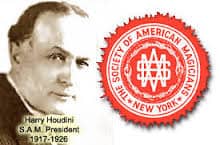 A club is defined as a group of people who meet to participate in an activity. So magic clubs have been around for, basically, as long as magicians. Although historically there was a great deal of secrecy surrounding magic effects, traditions and secrets have always managed to get passed on from generation to generation. Which means that despite how hard it may have been to obtain secrets in the days before the internet, magicians have always gathered to share ideas and help each other progress.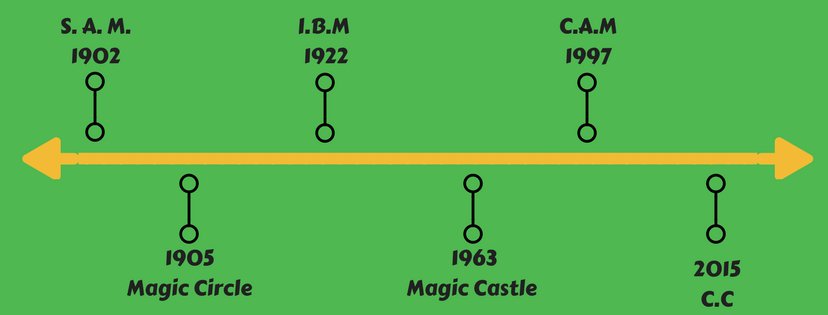
 me from re-reading a text, or re-watching a video. But more often than not it came from meeting the inventor at a magic convention, or asking a friend who had already mastered the move.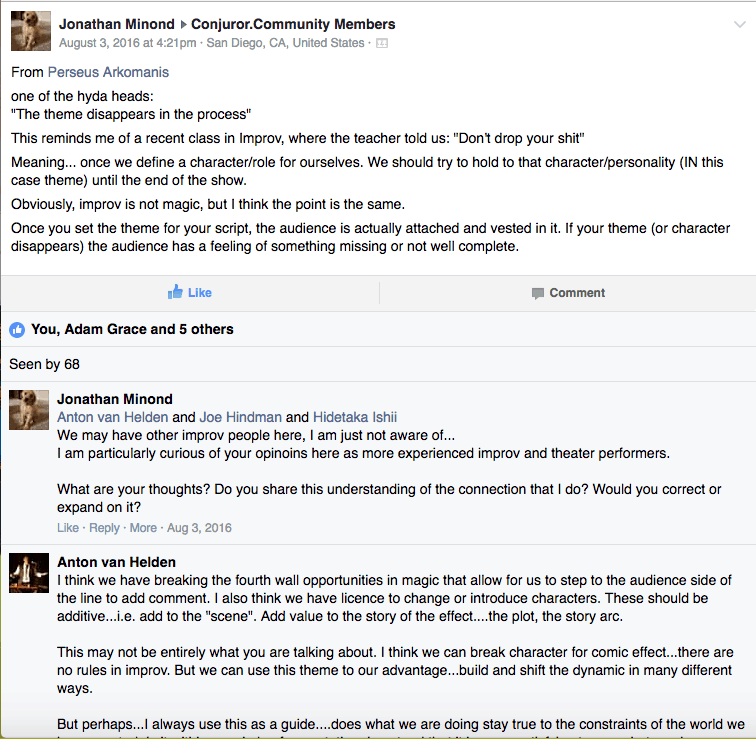
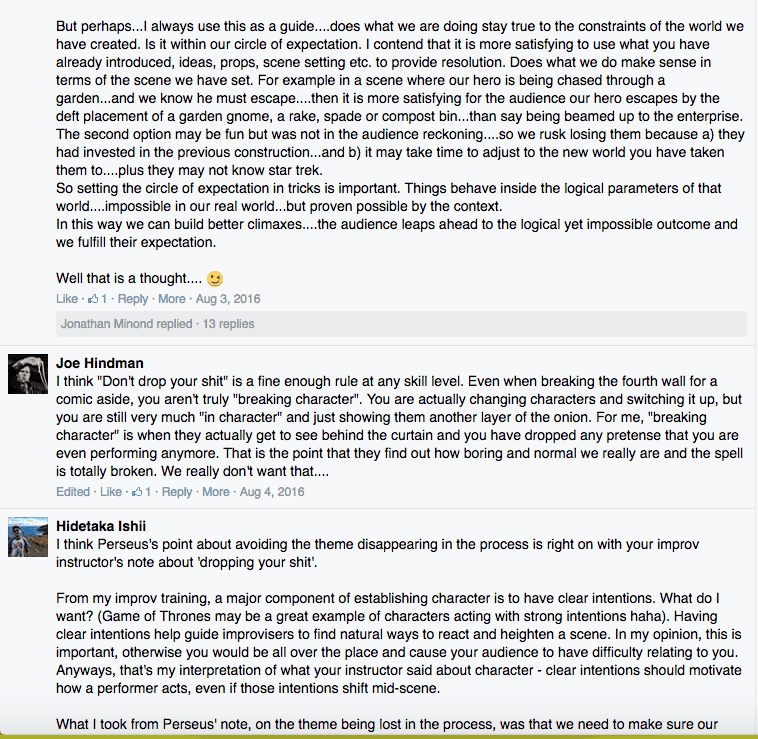
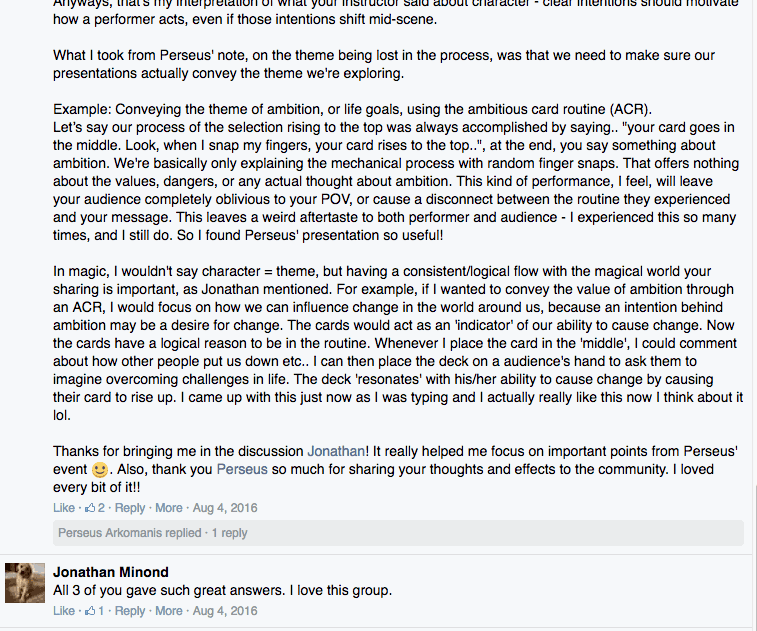
 In just a couple of minutes, Jonathan was able to put his inquiry out to an entire group of magicians, some of whom had the specific experience he was talking about (improv) and many of whom are working professionals. Within a day he had multiple answers and points of view about his question. He can then take that information and use it in any way he wants – as any member of an effective magic club can do.
 In an information-saturated world, it’s important to develop your own opinions instead of just taking what others say for granted. Twenty magicians could have twenty different opinions on the same subject – and you should have yours too!
 Stage time speaks for itself, and it’s clear when a performer has ‘flight time’, and when they have not. No matter how many magic books you read, who you take photos with or how well you can articulate your opinion, the ability to

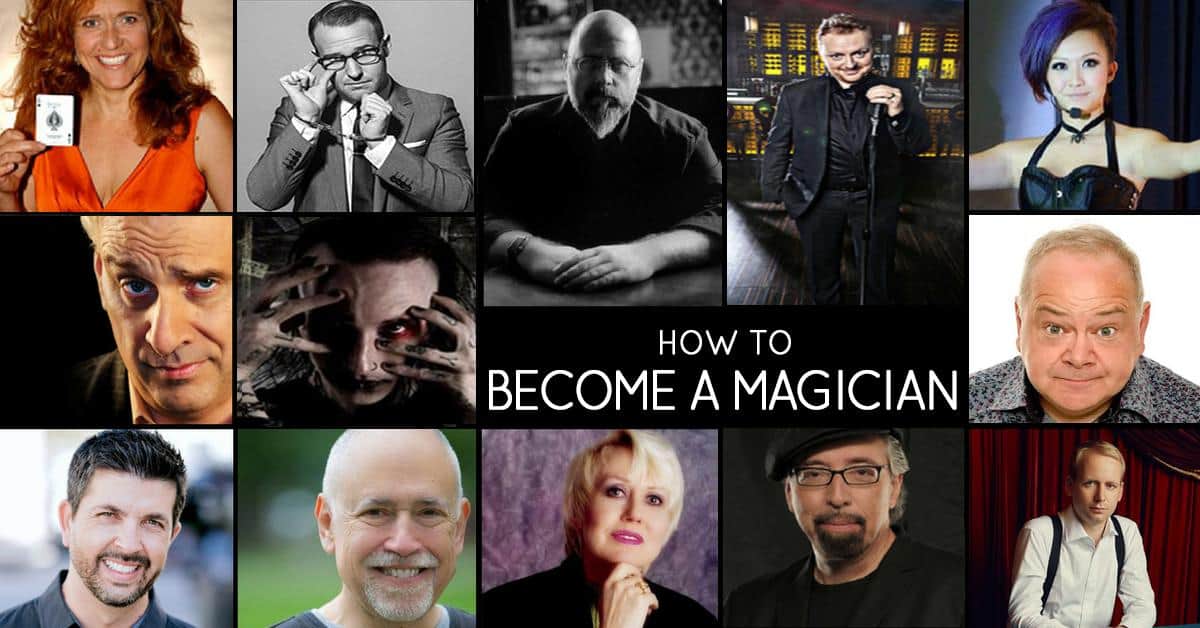






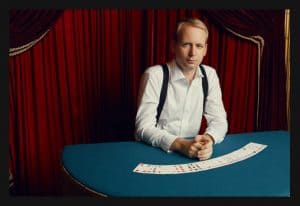

 I, Ren, am a Happy Hobbyist in Magic, and enjoying travelling and performing magic around the world when the opportunity arises. I always bring a bit of magic with me wherever I go and have learned over time that there are certain things one must take into consideration before performing magic in a foreign land.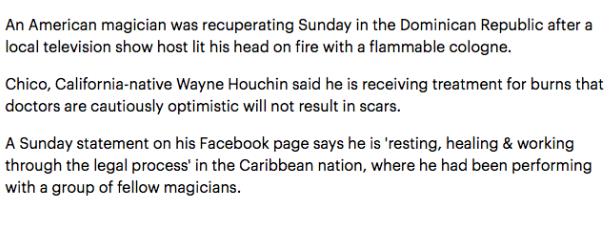

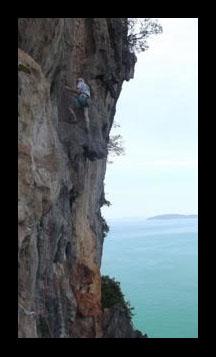 It took about a week before we could hike steadily at that altitude, and almost 2 weeks before we could do our usual level of rock climbing without noticing any shortness of breath.
 Remember to consider temperature and humidity when performing sleight of hand effects in other countries. In humid, tropical environments (many parts of Thailand, for example) regular playing cards become damp within minutes, and you are left with a floppy handful of wet cardboard. I have found the “clear” Bicycle decks hold up and handle well in such conditions.
 the hands to keep them dry. In my experience, applying anything to my hands soils the cards/coins/objects rather quickly. Instead, I opt to keep a small absorbent cloth in my pocket. It keeps my performance on par and prevents my props from getting dirty and looking unprofessional.
 In Thailand, I noticed a tendency for spectators to freely grab for a performer’s hands if they had any suspicion that there was something being hidden. If this makes you uncomfortable, plan on having some sort of physical barrier between you and your (close-up) audience. Performing behind a table/bar works… as well as impeccable technique. They can’t find anything in your hands if you are clean! Karl mentions this same tendency in North Africa with close-up audiences from time to time trying to reach into your hand (or pocket!) to prove to themselves it is trickery and not the “work of the Devil”.
 Confrontational styles may play well in Las Vegas (I do enjoy The Amazing Jonathan) but when travelling it’s important to consider how the “locals” behave. There is not much call for belittling or poking fun at the audience in Japan. Similarly, Gazzo is a genius at audience management and building a crowd, but not a good match for a (U.S) Southern Baptist Bible Camp.
 “If you do a magic trick on a popular street, they will look at you surprised. But instead of applauding, they will immediately want to get one of your hands open, or point to your pocket… or say loudly: “Allah Akbar”, which means ‘God protect me from this’.

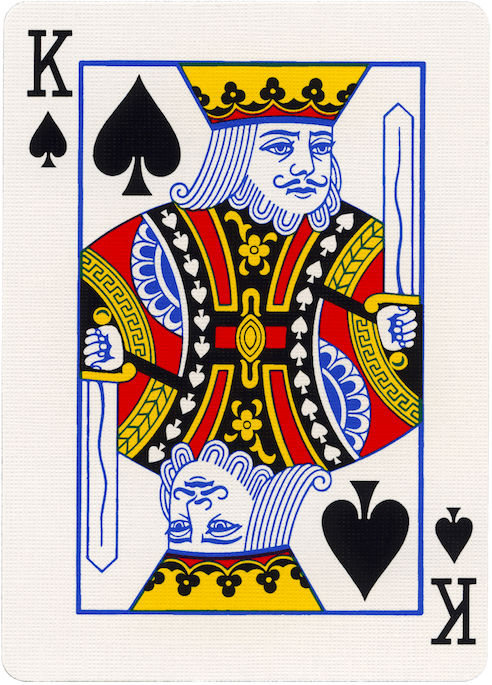
 “If you wish, you are able to do something like pen through note with the kings head. It is dangerous to do, but when I did it, I made sure I used patter and an interpreter to explain the great power of Thailand’s good King. That he was able to withstand anything and was able to fix any problem. Not even a pen going through the money could harm him. I found that they accepted this patter VERY well and were happy with the story. They regard their king as almost godlike. Have respect for other cultures and they will accept you and your show.”